
 EN
EN AR
AR HI
HI ES
ES FR
FR DE
DE

.jpg)
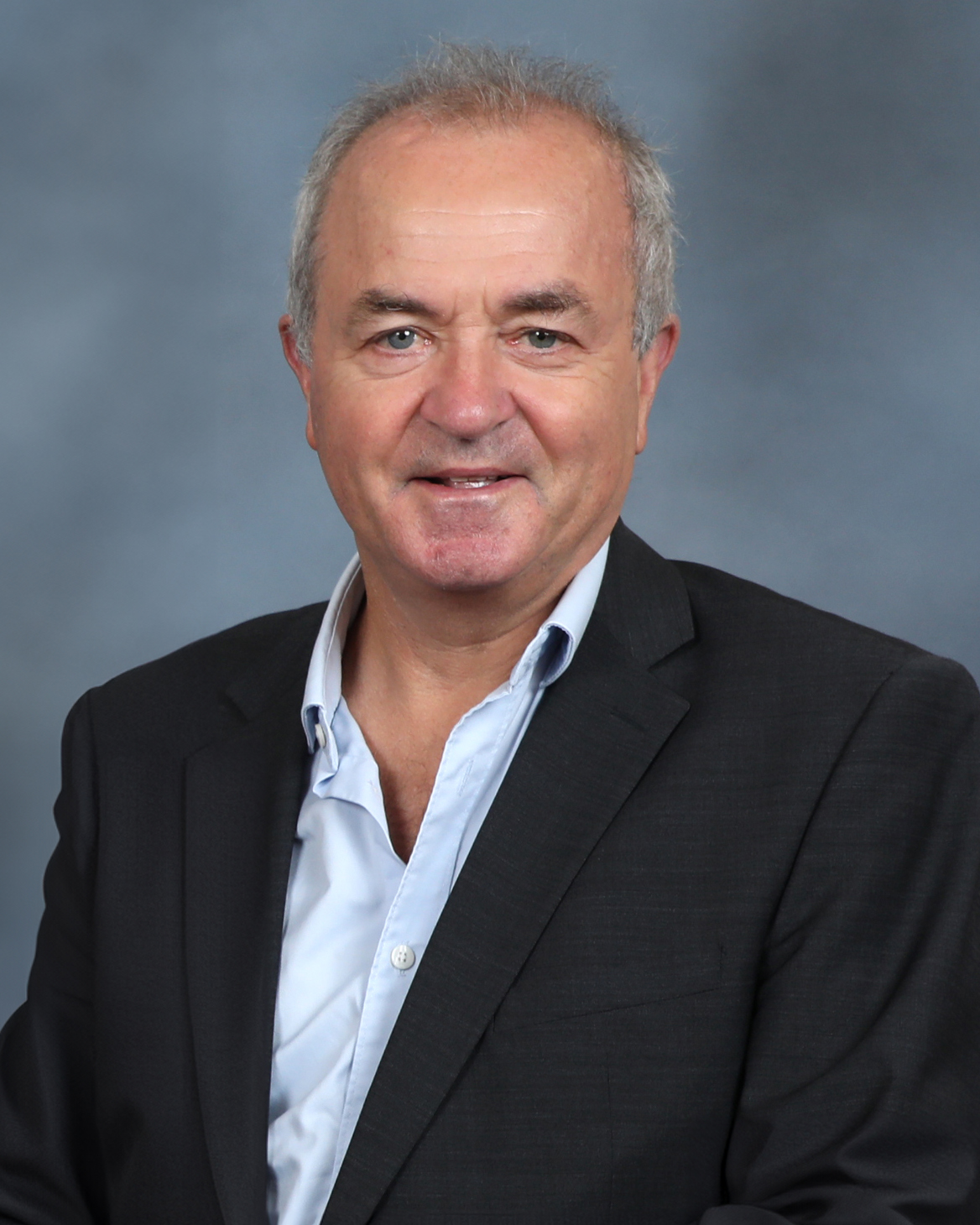
Spotlight on Atinirmal Pagarani, MD of Yogi Group, Dubai.
Atinirmal shares how being a second generation leader and MD manages change within HR
1. As a second-generation leader, how would you describe your approach to people management, and how has it evolved from the leadership style you grew up observing?
I grew up observing a leadership style that valued discipline, structure, and consistency, and that foundation still shapes how I think today. At the same time, the workplace has changed. People today want to feel included in the journey, not just directed. My approach to people management is rooted in an open mindset and honest two-way communication. When people feel heard and respected, they naturally take ownership. That sense of involvement builds trust, engagement, and long-term commitment, which I believe is essential for modern leadership.
2. Yogi Group has scaled significantly across multiple sectors over the years. How have your HR priorities and talent requirements changed as the business expanded in size and complexity?
Over the last five decades, as Yogi Group grew from its early foundations into a multi-sector organisation, our approach to HR evolved significantly. What began as a focus on hiring the right people and keeping operations running smoothly gradually shifted toward building long-term capability and leadership depth. Today, our priority is developing adaptable talent that can collaborate across divisions, share knowledge, and grow with the organisation. The focus is on breaking silos and creating a connected culture where people understand the bigger picture and feel aligned with the values and vision that have shaped the group over generations.
3. Trust and service are core values of Yogi Group. How do you ensure these values are consistently reflected in leadership behaviour and employee engagement across a diverse workforce?
Values only matter when they are visible in daily actions. Trust and service are reinforced through how leaders communicate, how decisions are made, and how people are treated during both success and challenge. We encourage transparent conversations, active listening, and values-based recognition. Regular feedback helps us stay connected to our teams and ensures that what we stand for is genuinely lived across the organisation, not just written down.
4. The real estate and facilities services industries are increasingly influenced by technology and AI. How do you balance digital transformation with maintaining a strong human touch in managing people and customer relationships?
Technology and AI are powerful enablers, but they are not substitutes for human connection. In real estate and service-driven businesses, trust, empathy, and personal relationships remain central. We use technology to improve efficiency, insight, and decision-making, allowing our teams to focus more on meaningful interactions. The human touch remains at the core of how we engage with both our people and our customers, and that balance is critical to sustaining long-term relationships.
5. Looking ahead, what skills and mindsets should HR leaders prioritise when building teams for the future, especially in people-centric industries navigating rapid change?
HR leaders need to think like builders who understand what it takes to grow something from the ground up. While technical and digital skills are important, adaptability, emotional intelligence, and a genuine understanding of people matter just as much. The future belongs to organisations that stay curious, invest in continuous learning, and remain deeply human in how they lead and grow their teams.
linkedin.com/in/atinirmalgpagarani
Related Posts

Spotlight: Andrew Stotter-Brooks
What are the highlights of your career so far? I am an HR Professional with more than thirty years o...

Spotlight on Rayhan Aleem
Tell us about you, your experience, and your time in the Middle East. I moved to Dubai from London i...

Spotlight on Val Jusufi CEO LEORON Institute
Tell us about your company and your experience in the Middle East? LEORON is a leading provider of p...

Spotlight On: Krystyna Litwa
Tell us about you, your experience, and your time in the Middle East. Originally, I am from an idyll...

Spotlight: Somaya El Sherbini
Our Latest Spotlight: Focus On the People with Somaya El Sherbini CEO of Right Foot People Solutions...

Spotlight on Annick Renaud-Coulon founder and chairwoman of GlobalCCU
A strategist, visionary, passionate and creative, Annick Renaud-Coulon is the spearhead of the Corpo...

Spotlight on Muhammad Abdou, Co Founder SkillupMena
Meet Muhammad Abdou, Co-Founder and Head of Client Services at SkillUp MENA. With a rich background ...
Spotlight on Peter Kinahan, Senior Digital Learning Consultant with Intuition in Dubai
1.You’ve worked extensively across financial journalism, asset management, and now digital lea...

Spotlight on ME Enterprises Embracing Intelligent , Employee-Centric HR Models
Abinav Raja – Managing Director: 1.With two decades of serving companies in the Middle East...

Spotlight on Bobbi Hartshorne
Tell us about your time in the UAE. I moved to Dubai in the summer of 2012. I arrived about 12-da...
