
Armenia, Education Diplomacy, and the Emerging Strategic
Mohamed Bamatraf Executive Director , Murdoch University, Dubai visits the South Caucasus, during a week of high-level dialogue, institutional engagement, and strategic discussions.
OPINION PIECE
Mohamed Bamatraf, Executive Director , Murdoch University, Dubai
5/25/20263 min read
Importance of the South Caucasus
Last week, I had the honour of participating in Yerevan Dialogue in Armenia at the official invitation of the Armenian government, representing Murdoch University Dubai during a week of high-level dialogue, institutional engagement, and strategic discussions across the South Caucasus.
The Dialogue brought together heads of state, ministers, diplomats, academics, policy experts, and global thought leaders to discuss the future of regional cooperation, geopolitical transformation, technological disruption, and the evolving role of international education.
What became immediately clear throughout the week is that the South Caucasus is entering a new phase of strategic importance — not only politically and economically, but also educationally.
Countries such as Armenia are actively seeking to reposition themselves as knowledge-driven economies, innovation hubs, and international education partners capable of connecting Europe, the Middle East, Central Asia, and emerging Eurasian markets.
For universities and institutions willing to think long term, this creates significant opportunities.
Strategic Engagement Beyond Traditional Internationalisation
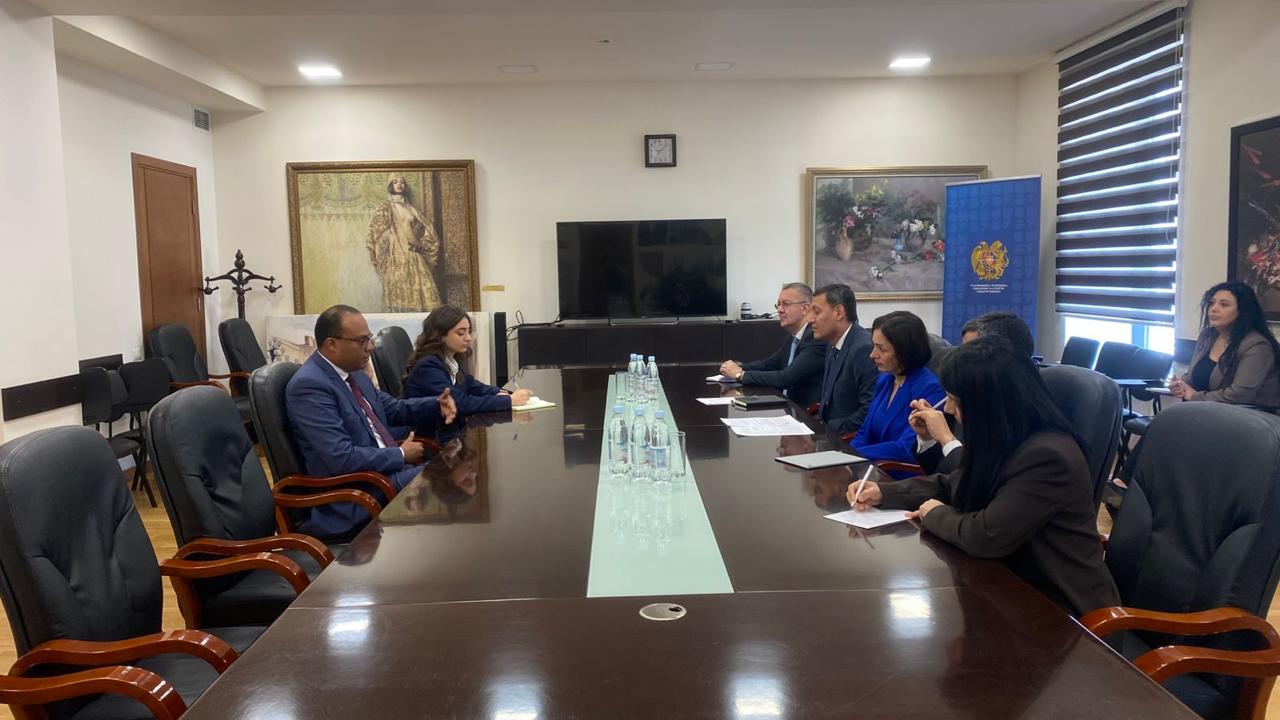
My visit was not centered around ceremonial participation alone. Alongside the Dialogue, the week included several important bilateral meetings focused on long-term institutional cooperation and educational development.
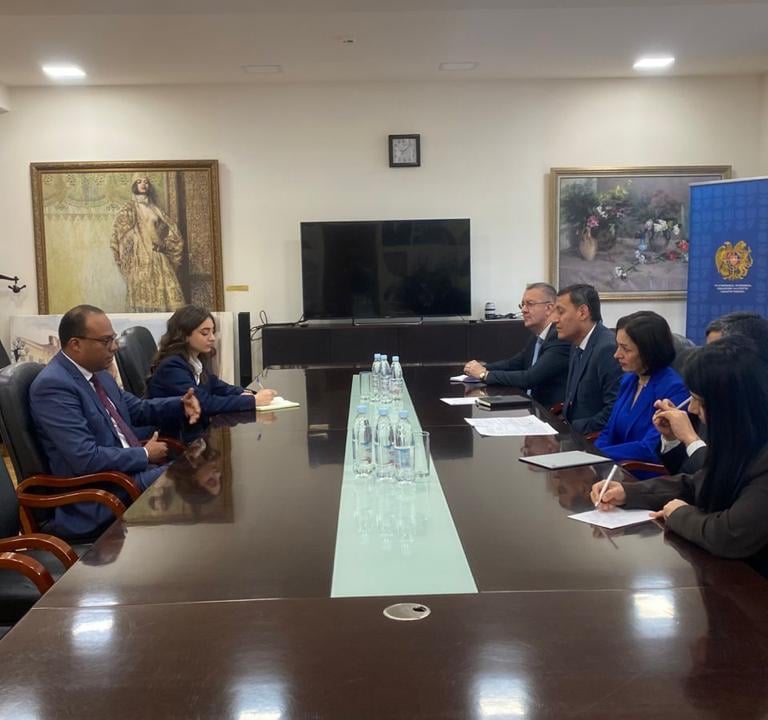
One of the key meetings took place with H.E. Zhanna Andreasyan, Minister of Education, Science, Culture and Sports of the Republic of Armenia, where discussions explored potential frameworks for academic collaboration aligned with Armenia’s national higher education priorities and internationalisation agenda.
Additional discussions were held with Dr. Bruce Boghosian, President of the American University of Armenia, focusing on transnational education, regional engagement, and future cooperation opportunities between institutions operating across different international ecosystems.
Another strategically important meeting took place with Hovhannes Hovhannisyan, Rector of the Armenian National Agrarian University, where discussions focused on food security, agritech innovation, applied research, and sustainability — all areas closely connected to Murdoch’s institutional strengths and future regional relevance.
These conversations reinforced something I strongly believe:
international education today can no longer operate through traditional recruitment-driven models alone.
The future belongs to universities capable of building meaningful long-term ecosystems involving governments, industries, research, executive education, innovation, and cross-border partnerships.
Why the South Caucasus Matters
Many global institutions still underestimate the strategic importance of the South Caucasus and Central Asia.
Yet the region is increasingly becoming:
a bridge between East and West,
an emerging technology and logistics corridor,
a growing talent market,
and an area where governments are actively investing in education reform and international cooperation.
This is particularly relevant for universities in the Gulf region and Australia seeking deeper engagement with emerging markets beyond conventional international education pathways.
The future of global higher education will increasingly depend on institutions that understand not only student mobility, but also geopolitical shifts, economic transformation, workforce development, and regional diplomacy.
Education as Soft Power
One of the most important observations from the week was the growing recognition that higher education has become a strategic instrument of soft power and international influence.
Universities are no longer simply educational providers.
They are becoming platforms for:
international cooperation,
economic development,
talent mobility,
research diplomacy,
and long-term geopolitical engagement.
This is especially true in emerging regions seeking to accelerate innovation, strengthen international partnerships, and build globally connected human capital ecosystems.
Looking Ahead
The conversations initiated during the week in Armenia are only the beginning.
I remain deeply optimistic about the future potential for stronger academic, research, and institutional collaboration between the Gulf region, Australia, Central Asia, and the South Caucasus.
At Murdoch University Dubai, we continue to believe that meaningful international engagement must be built on substance, trust, long-term partnership, and shared value creation.
The future of higher education will belong to institutions willing to engage globally with strategic intent — not only academically, but economically, diplomatically, and societally.
Armenia left a strong impression on me: a country with intellectual depth, resilience, ambition, and a clear desire to position itself as an increasingly important regional player in education, innovation, and international cooperation.
And this, I believe, is only the beginning.
Mohamed’s profile
linkedin.com/in/mohamed-bamatrf
ME HR & Learning is THE leading online news and information platform for HR and L&D professionals in the Middle East.


© Copyright 2026 ME HR & Learning
The Platform
Learning & Resources
Professional Network
Location
Sharjah Media City, SHAMS, UAE