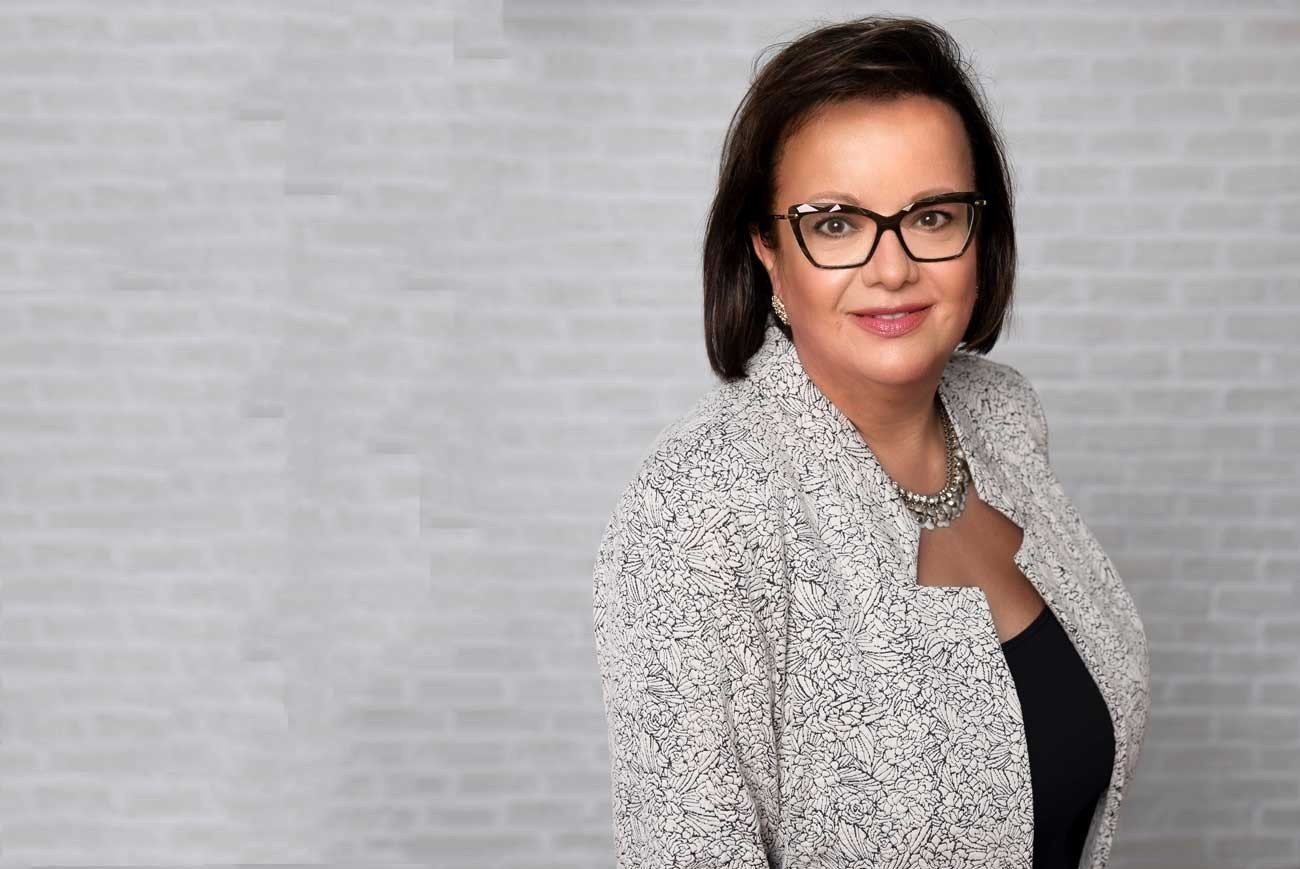
Spotlight on Simoneta Vargova, Parallel Connections, Dubai
Simoneta shares her journey to the UAE and her philosophy on Leadership and Leadership trends.
SPOTLIGHTS & INTERVIEWS
ME HR & Learning
2/11/20262 min read
1. How did your journey to the Middle East begin?
My journey to the Middle East began with Four Seasons Hotels and Resorts, where I was appointed to lead Learning & Development across two countries simultaneously — Damascus, Syria and Amman, Jordan. Operating in culturally and politically complex environments required more than delivering training. It required building leadership capability that could perform under pressure, across cultures, and at scale. That experience shaped my core belief: sustainable performance is not created by strategy alone — it is created by leadership behaviour.
2. What shaped your leadership philosophy, and how has your experience in the Middle East influenced your approach?
Luxury hospitality operates at the intersection of brand, reputation, and execution. There is no room for inconsistency.
Working in the Middle East — a region defined by rapid growth, ambition, and transformation — reinforced a critical truth: when organisations scale quickly, leadership maturity must scale with them. Growth without emotional intelligence creates fragility.
My philosophy is grounded in this reality. Most performance challenges are not structural — they are behavioural. When leaders lack self-awareness, clarity, or emotional regulation, execution weakens regardless of the quality of the strategy.
Leadership is an inside-out discipline. And in high-growth markets, that discipline becomes a competitive advantage.
3. What leadership patterns do you most commonly observe across organisations in the region?
The region demonstrates extraordinary ambition. Strategic vision is strong. Investment is bold.
What I frequently observe, however, is pressure-driven leadership. Accelerated timelines and high expectations create environments where urgency overrides reflection. Communication becomes transactional. Delegation becomes unclear. Teams comply — but they do not fully commit.
This is not a capability gap. It is a leadership energy gap.
Organisations that shift from pressure-based performance to purpose-driven performance see stronger accountability, lower burnout, and more consistent execution.
4. What do senior leaders often underestimate about people’s performance?
They underestimate the emotional climate they create.
Boards focus on KPIs, structure, and growth targets — rightly so. But culture is not shaped by strategy documents. It is shaped by daily micro-behaviours: tone, feedback style, consistency, and decision-making under stress.
Most underperformance is not a competence issue. It is a clarity and psychological safety issue.
When leaders create clarity, trust, and direction, performance becomes self-driven. When they create tension and ambiguity, performance becomes fragile.
Leadership presence is not soft. It is commercially decisive.
5. What shifts will define leadership success in the Middle East over the next five years?
The next phase of growth in the region will require depth alongside speed.
Three shifts will define successful leadership:
From authority to influence
From control to empowerment
From reactive pressure to resilient execution
As economies diversify and organisations scale, leaders will need greater emotional agility, stronger strategic thinking, and the ability to align multicultural teams around a clear narrative.
Those who develop these capabilities will not only achieve growth — they will sustain it.
6. Which capabilities separate good leaders from exceptional ones in today’s market?
Exceptional leaders demonstrate five differentiators:
High self-awareness
Emotional regulation under pressure
Strategic clarity
Direct, courageous communication
The ability to develop future leaders, not just manage current performance
Technical competence is assumed at the senior level. What differentiates leaders now is composure, clarity, and psychological influence.
Exceptional leaders create environments where high standards and human sustainability coexist.
Organisations across the Middle East are entering a maturity phase. The leaders who will define the next decade are those who understand that culture is not an HR initiative — it is a strategic lever.
That is the level at which I partner with executive teams: strengthening leadership capability as a direct driver of performance, resilience, and long-term competitive advantage.
ME HR & Learning is THE leading online news and information platform for HR and L&D professionals in the Middle East.

© Copyright 2026 ME HR & Learning
The Platform
Learning & Resources
Professional Network
Location
Sharjah Media City, SHAMS, UAE