Hiring with Empathy In Times Of Market Volatility
Laura Taylor, TENTEN Partners, UAE, describes the changing character of hiring and how organisations can best entice new hires to the region.
OPINION PIECE
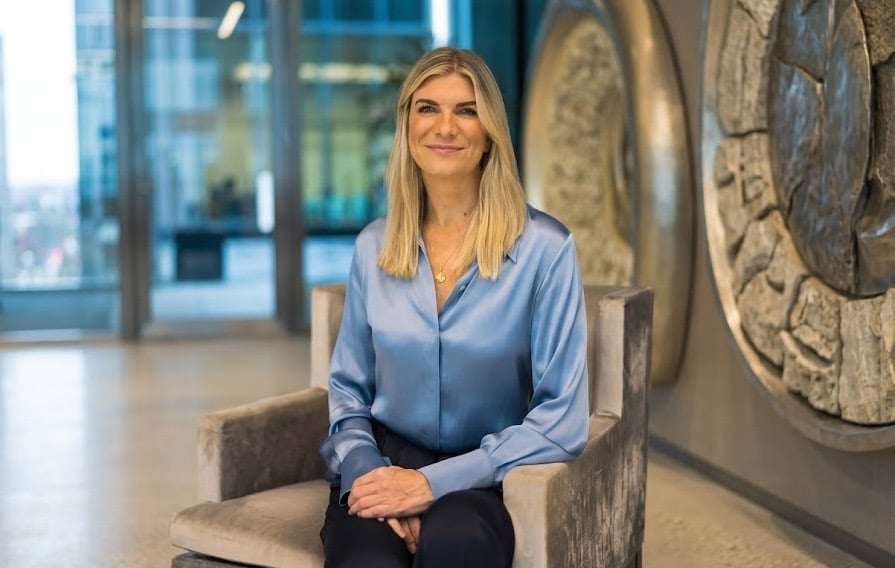
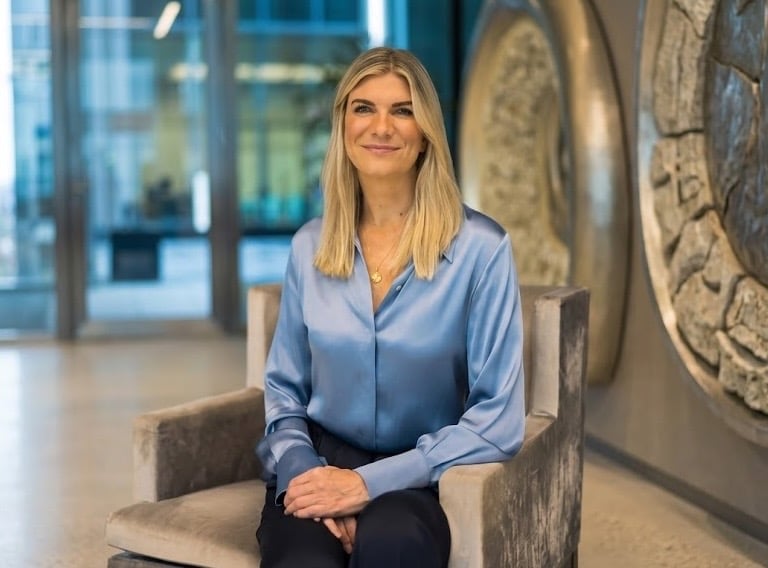
Laura Taylor, Partner and Head of Middle East, TENTEN Partners
5/1/20264 min read
The current landscape for HR practitioners in the Middle East has entered a phase where the typical processes and technicalities of talent acquisition must be secondary to the psychological realities of the global market.
Those of us on the ground in the UAE are starting to feel a sense of ‘back to normal,’ with busy offices and places of leisure, alongside consistent messages of support from national leadership. In recruitment, we’re also seeing that organisations seeking talent in high-demand fields like AI, fintech and deep tech are still moving forward with filling these positions. They are still committed to realising their growth and business
ambitions despite the current geo-political situation.
However, we can’t assume this perspective is shared by those looking in from the outside. For internationally mobile talent, even those accustomed to moving cross-border for work, the decision to relocate to the region is no longer an obvious next career move or a lifestyle upgrade. It has become a more complex calculation, and we have seen candidates delaying relocation after accepting an offer. While HR has always played a critical role in assessing credentials and cultural alignment, the current climate demands an added dimension which is the ability to inspire confidence and respond empathetically to candidate queries. We are operating at a crossroads where the ambition of the region meets the concerns of global talent, and how we bridge that gap will define organisational resilience for years to come.
To maintain momentum in these critical sectors, HR must move away from the traditional, transactional recruitment model. In a period of heightened geopolitical complexity, candidates are looking for deep assurances of stability and a sense of physical and emotional security that extends to their families. The hesitation we see in the market is not necessarily a lack of interest in the region's vision- which remains one
of the most compelling in the world- but rather a natural response to uncertainty.
HR practitioners must counter this by leading with empathy and demonstrating that their organisations are not just looking for ‘headcount’ but are prepared to act as long-term partners. This means proactively addressing the ‘last one in, first one out’ fear that might concern candidates during volatile times. HR needs to demonstrate a strong culture and show that the organisation possesses the institutional depth to weather
external shocks without compromising its people.
One of the most effective ways to build this trust is through flexibility in the onboarding process. We are seeing success when businesses treat relocation as a phased journey rather than a single, disruptive event. For an HR practitioner, this might mean advocating for a remote-first or hybrid onboarding phase. Candidates can begin contributing immediately while gradually integrating into the team and culture once
relocation becomes viable. Others are finding that offering delayed start dates or flexible relocation windows provides the emotional safety net required for a family to move with confidence. We’ve also seen our clients offer solutions such as family support packages, interim travel arrangements or split-location working models in the first few months. Some organisations are also introducing ‘trial mobility’ periods before
full relocation.
By acknowledging that a candidate’s concerns are valid rather than trying to minimise them with the ‘back to normal’ message, we build a foundation of loyalty before the first day of work even begins. This softer touch is particularly vital now, as we are seeing a notable increase in counter-offers, particularly for niche technology and leadership roles. Employers are prioritising retention amid uncertainty and replacement risk, while employees are deciding to stay with what they already know.
This environment also serves as a necessary catalyst for HR to rethink the definition of the ‘ideal’ hire. Historically, for specialist talent, recruitment in the Middle East has been defined by a narrow pursuit of global credentials. These often prioritise a checklist of specific experiences from Western or Asian markets. However, a resilient workforce is built on more than just a CV. Forward-thinking HR teams are now placing a greater emphasis on transferable skills and high learning potential. This includes integrating skills-based hiring frameworks into job descriptions, using competency-based assessments and aligning onboarding with personalised learning journeys. It’s important to look for individuals who can adapt and grow, rather than those who perfectly mirror a role from a different market. This mindset shift naturally leads to a renewed focus on the local and regional talent pool as a strategic priority. There is an incredible wealth of talent already within the UAE and the broader Middle East, comprising professionals who have seen the region’s resilience firsthand and possess the cultural fluency to hit the ground running. By prioritising these candidates, organisations reduce the ‘relocation friction’ that can stall critical projects and foster a more stable internal ecosystem.
Ultimately, the goal remains the same: to build a world-class workforce capable of leading the global stage in innovation. However, the path to achieving that goal now requires a more nuanced, high-empathy approach. The UAE is proving to be a country built on strong regulatory frameworks and a long-term commitment to being a global hub, but it is the HR practitioner who must translate that macro-stability into a micro-
sense of security for the individual. When we match high-tech investment with high-empathy recruitment strategies; show that we value regional experience as much as global pedigree; and offer flexibility as a standard rather than an exception- we do more than just fill a role. We build a resilient, future-ready economy that is fortified against external uncertainty and anchored by a workforce that feels seen, valued and secure.
Laura’s profile
ME HR & Learning is THE leading online news and information platform for HR and L&D professionals in the Middle East.

© Copyright 2026 ME HR & Learning
The Platform
Learning & Resources
Professional Network
Location
Sharjah Media City, SHAMS, UAE